Cisco Training Courses

Kurssit

Insoft on palvellut IT-yhteisöä Ciscon virallisella koulutustarjonnalla vuodesta 2010. Tältä sivulta löydät kaikki olennaiset tiedot Ciscon koulutuksesta.

Katso lisää Cisco Training Learning Partner
Cisco Learning Credits

Cisco Learning Credits

Cisco opintopisteet (CLC) ovat suoraan Ciscon kanssa lunastettuja prepaid-koulutusseteleitä, jotka helpottavat menestyksen suunnittelua ostaessasi Ciscon tuotteita ja palveluita.

Katso lisää Cisco Training Learning Partner
Cisco Continuing Education

Cisco Continuing Education

Cisco täydennyskoulutusohjelma tarjoaa kaikille aktiivisille sertifioinnin haltijoille joustavia vaihtoehtoja uudelleensertifiointiin suorittamalla erilaisia kelvollisia koulutuskohteita.

Katso lisää Cisco Training Learning Partner
Cisco U Digital Learning

Cisco Digital Learning

Sertifioidut työntekijät ovat ARVOSTETTUJA omaisuuseriä. Tutustu Ciscon valtuutettuun digitaaliseen oppimiskirjastoon ja kouluta itseäsi tallennettujen istuntojen avulla.

Katso lisää Cisco Training Learning Partner
Cisco Business Enablement

Cisco Business Enablement

Cisco Business Enablement Partner Program keskittyy Cisco Channel Partnersin ja asiakkaiden liiketoimintataitojen terävöittämiseen.

Katso lisää Cisco Training Learning Partner
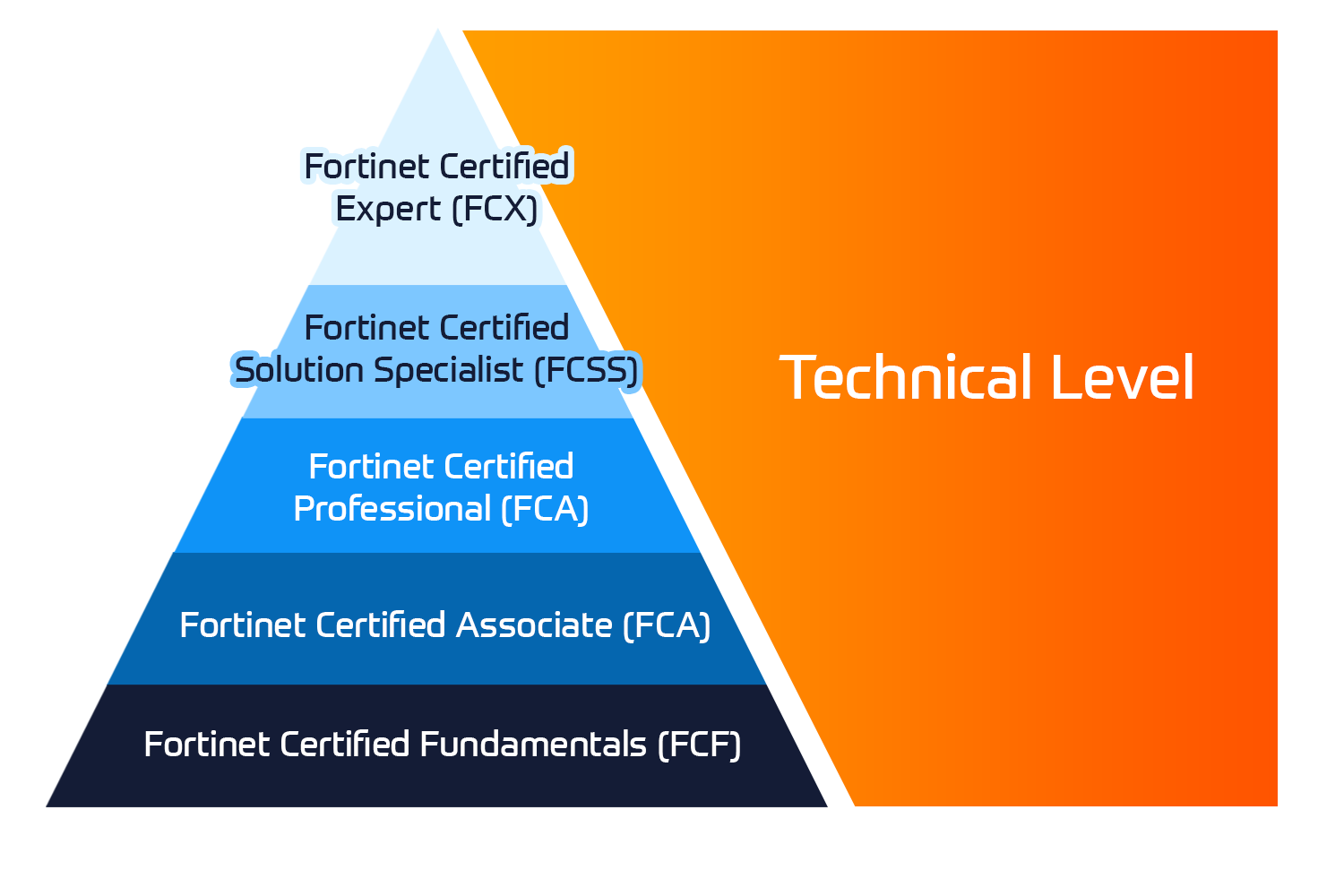
Fortinet Certification Training

Kurssit

Insoft Services on auktorisoitu Fortinet-kouluttaja useassa Euroopan maassa.

Katso lisää Fortinet Premier Authorized Training Center
Fortinet Training Courses

ATC Status

Tarkista ATC-tilamme valituissa Euroopan maissa.

Katso lisää Fortinet Premier Authorized Training Center

Kurssit

Koulutus sisältää omatoimisia laboratorioita käytännön AWS-harjoitteluun tosielämän skenaarioissa, jolloin voit oppia omaan tahtiisi, luokassa, töissä tai verkossa.

Katso lisää
Extreme Networks Training Partner

Kurssit

Extreme Networks Technical Trainingin kehitys tarjoaa kattavan progressiivisen polun associate-akkreditoinnista ammatilliseen akkreditointiin.

Katso lisää Extreme Networks Training Partner
Extreme Networks Training Partner

ATP-akkreditointi

Valtuutettuna koulutuskumppanina (ATP) Insoft Services varmistaa, että saat korkeimman saatavilla olevan koulutuksen.

Katso lisää Extreme Networks Training Partner
Insoft Services

Tiimimme

Koulutusvalikoimaamme kuuluu laaja valikoima IT-koulutusta IP-palveluntarjoajilta, mukaan lukien Cisco, Extreme Networks, Fortinet, Microsoft, muutamia mainitakseni, EMEA-alueella.

Katso lisää Insoft Services

Machine Learning Fundamentals

Ota yhteyttä

Voit olla meihin yhteydessä ja tiedustella koulutuksistamme täydentämällä yhteystietosi ja koulutuksen nimen oheen.

Tietosuojalauseke ja yksityisyys

Suostun vastaanottamaan sähköpostiviestejä ja/tai puheluita Insoft Services Oy: n tuotteista ja palveluista.
Hyväksyn, että tietojani kerätään ja käsitellään Insoft Servicesin tietosuojakäytännössä kuvatulla tavalla.

Close

Machine Learning Fundamentals

VARAA NYT
Kesto
2 päivää
Toimitus
(Online ja paikan päällä)
Hinta
Hinta pyydettäessä

This Machine Learning (ML) Fundamentals course aims to explain the scikit-learn API, which is a package created to facilitate the process of building machine learning applications. By explaining the difference between supervised and unsupervised models, as well as by applying algorithms to real-life datasets, this course will help beginners to start programming machine learning algorithms.

As the use of machine learning algorithms becomes popular for solving problems in a number of industries, so does the development of new tools for optimizing the process of programming such algorithms.

Lesson 1: Introduction to scikit-learn

  • scikit-learn
  • Data Representation
  • Data Preprocessing
  • scikit-learn API
  • Supervised and Unsupervised Learning

Lesson 2: Unsupervised Learning: Real-life Applications

  • Clustering
  • Exploring a Dataset: Wholesale Customers Dataset
  • Data Visualization
  • k-means Algorithm
  • Mean-Shift Algorithm
  • DBSCAN Algorithm
  • Evaluating the Performance of Clusters

Lesson 3: Supervised Learning: Key Steps

  • Model Validation and Testing
  • Evaluation Metrics
  • Error Analysis

Lesson 4: Supervised Learning Algorithms: Predict Annual Income

  • Exploring the Dataset
  • Naïve Bayes Algorithm
  • Decision Tree Algorithm
  • Support Vector Machine Algorithm
  • Error Analysis

Lesson 5: Artificial Neural Networks: Predict Annual Income

  • Artificial Neural Networks
  • Applying an Artificial Neural Network
  • Performance Analysis

Lesson 6: Building your own Program

  • Program Definition
  • Saving and Loading a Trained Model
  • Interacting with a Trained Model

This Machine Learning Fundamentals course is perfect for beginners in the field of machine learning.

  • No prior knowledge of the use of scikit-learn or machine learning algorithms is required.
  • The students must have prior knowledge and experience of Python programming.


Hardware:

  • Processor: Intel Core i5 or equivalent
  • Memory: 4GB RAM or higher


Software:

  • Sublime Text (latest version), Atom IDE (latest version), or other similar text editor applications.
  • Python 3 installed
  • The following Python libraries installed: NumPy, SciPy, scikit-learn, Matplotlib, Pandas, pickle, jupyter, and seaborn


Installation and Setup

  • Before you start this course, you’ll need to install Python 3.6, pip, scikit-learn, and the other libraries used in this course. You will find the steps to install these here:


Installing Python

  • Install Python 3.6 by following the instructions at this link: https://realpython.com/installing-python/.


Installing pip

  • To install pip, go to the following link and download the get-pip.py file: https://pip.pypa.io/en/stable/installing/.
  • Then, use the following command to install it: python get-pip.py

You might need to use the python3 get-pip.py command, due to previous versions of Python on your computer are already using use the python command.

This Machine Learning (ML) Fundamentals course aims to explain the scikit-learn API, which is a package created to facilitate the process of building machine learning applications. By explaining the difference between supervised and unsupervised models, as well as by applying algorithms to real-life datasets, this course will help beginners to start programming machine learning algorithms.

As the use of machine learning algorithms becomes popular for solving problems in a number of industries, so does the development of new tools for optimizing the process of programming such algorithms.

Lesson 1: Introduction to scikit-learn

  • scikit-learn
  • Data Representation
  • Data Preprocessing
  • scikit-learn API
  • Supervised and Unsupervised Learning

Lesson 2: Unsupervised Learning: Real-life Applications

  • Clustering
  • Exploring a Dataset: Wholesale Customers Dataset
  • Data Visualization
  • k-means Algorithm
  • Mean-Shift Algorithm
  • DBSCAN Algorithm
  • Evaluating the Performance of Clusters

Lesson 3: Supervised Learning: Key Steps

  • Model Validation and Testing
  • Evaluation Metrics
  • Error Analysis

Lesson 4: Supervised Learning Algorithms: Predict Annual Income

  • Exploring the Dataset
  • Naïve Bayes Algorithm
  • Decision Tree Algorithm
  • Support Vector Machine Algorithm
  • Error Analysis

Lesson 5: Artificial Neural Networks: Predict Annual Income

  • Artificial Neural Networks
  • Applying an Artificial Neural Network
  • Performance Analysis

Lesson 6: Building your own Program

  • Program Definition
  • Saving and Loading a Trained Model
  • Interacting with a Trained Model

This Machine Learning Fundamentals course is perfect for beginners in the field of machine learning.

  • No prior knowledge of the use of scikit-learn or machine learning algorithms is required.
  • The students must have prior knowledge and experience of Python programming.


Hardware:

  • Processor: Intel Core i5 or equivalent
  • Memory: 4GB RAM or higher


Software:

  • Sublime Text (latest version), Atom IDE (latest version), or other similar text editor applications.
  • Python 3 installed
  • The following Python libraries installed: NumPy, SciPy, scikit-learn, Matplotlib, Pandas, pickle, jupyter, and seaborn


Installation and Setup

  • Before you start this course, you’ll need to install Python 3.6, pip, scikit-learn, and the other libraries used in this course. You will find the steps to install these here:


Installing Python

  • Install Python 3.6 by following the instructions at this link: https://realpython.com/installing-python/.


Installing pip

  • To install pip, go to the following link and download the get-pip.py file: https://pip.pypa.io/en/stable/installing/.
  • Then, use the following command to install it: python get-pip.py

You might need to use the python3 get-pip.py command, due to previous versions of Python on your computer are already using use the python command.